

Blog
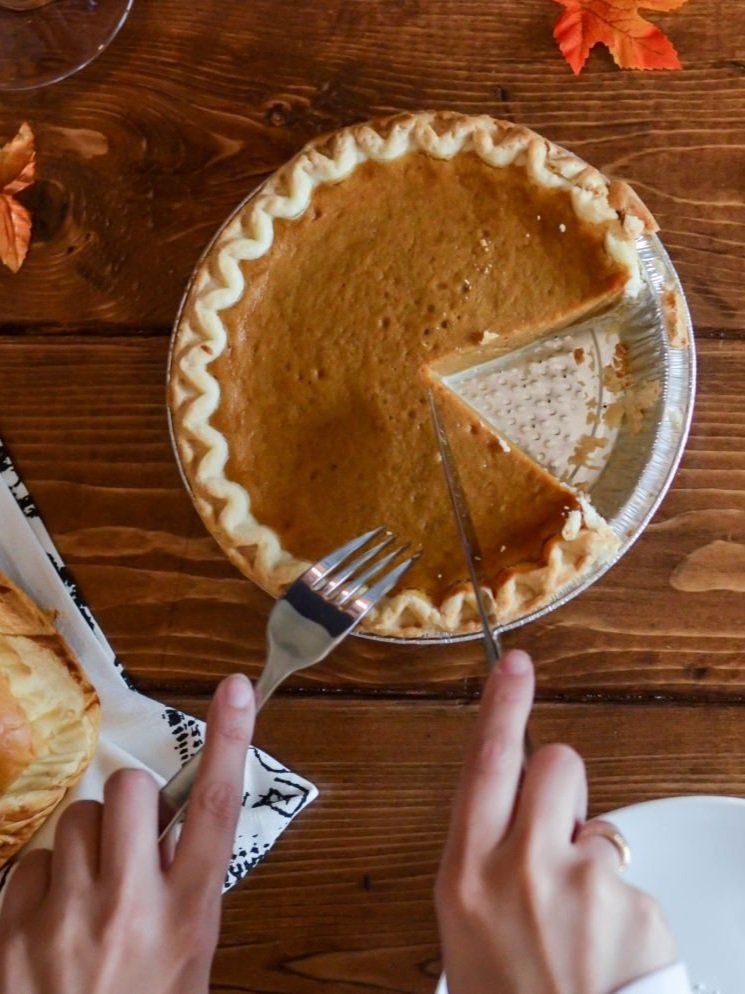
Supporting Your Loved One with an Eating Disorder During the Holidays
Stephanie Hosford, Psy.D.
For someone struggling with or in recovery from an eating disorder, the holidays are likely a time of year that has been anticipated with dread for several months. Here are five tips to help you feel more prepared and capable to support your loved one during the holidays.

What Are the Benefits of Therapy for Adolescents with ADHD?
Chrissy Raines, Ph.D.
A recently published study identified the components of therapeutic intervention that are most effective in reducing ADHD symptoms among adolescents.

What Is A Parent’s Role in Their Child's OCD Treatment?
Kelsi Libfraind, LCSW
Need some guidance on your role in your child’s OCD journey? Here are some tips and tricks to help your child to feel stronger than their fears!

What Is Chronic Pain?
Leila Forbes, Ph.D.
Chronic pain is a major public health issue affecting millions of Americans each year. But what makes pain chronic? And what can be done to alleviate the pain?

Independence Day for Bodies
Kristin Daley, Ph.D., DBSM
Unhooking from the body image struggle takes work, but is worth the effort.

It's Time to Stop Knocking on Wood
Andrea Umbach, Psy.D., ABPP
Knocking on wood has a long history, but have you ever really thought about why you are doing it?

Self-Compassion: A Pathway to Peace
Leila Forbes, Ph.D.
Striving to bolster self-esteem by competing and trying to measure up to unrealistic standards is exhausting and, ultimately, futile. Fortunately, self-compassion can be learned, and offers the space to experience personal growth and increased well-being.

New Years, New You? Exercise and Food Behaviorism
Kristin Daley, Ph.D., DBSM
New Year’s behavior changes can be more effective if they are simplified and utilize key traits from behaviorism.

OCD in School: Impact And Accommodations
Kelsi Libfraind, LCSW
Is your child suffering silently from Obsessive Compulsive Disorder? If so, it is highly likely it is impacting their school day. Read on for tips on how to support your child and what schools can do to recognize these symptoms early.

Adopt These Four Basic Beliefs and Improve your Relationships
Kristin Daley, Ph.D., DBSM
Dialectical Behavior Therapy was specifically developed to help people who struggle to manage intense emotions, and participating in DBT therapy can be a masterclass in emotional intelligence. Here are four basic beliefs from DBT that are essential to healthy relationships.

Setting Up for Success this Summer Break
Chrissy Raines, Ph.D.
As summer break kicks off, check out these tips for ways to successfully take advantage of increased free time and flexibility this season.

Battling Job-Related Burnout
Leila Forbes, Ph.D.
Are you part of the 34% of Americans experiencing burnout? Learn more about the causes and tips on how to combat burnout in our latest blog.

When and How Should I Seek Help for My Child?
Chrissy Raines, Ph.D.
All parents worry about their children and sometimes wonder if the behaviors or emotions their children/teens are exhibiting are “normal.” Here are some tips to help parents decide when to seek professional help, and also what type of assistance might be best.

Why Doesn’t Searching the Internet Make Me Feel Better?
Andrea Umbach, Psy.D., ABPP
The internet has become the place we go to for answers when we are in doubt. The act of searching feels productive in the moment, but really only ends in more confusion and frustration.

Distress Tolerance Skills for Surviving 2020 and Beyond
Kristin Daley, PhD, DBSM
As the number of coronavirus cases grows, many people will be digging deep for emotional skills in the next several months. When we are in a place of crisis, there are specific tools or skills that can be utilized to manage a response to crises. In the world of DBT, we call these distress tolerance skills.

Sleeping Through The Night: Elementary School
Kristin Daley, PhD, DBSM
The biggest sleep challenges observed in school-age children are problems with inconsistent sleep timing, behavioral interference of sleep continuity, and parasomnias.

Sleeping Through The Night: Adolescence
Kristin Daley, PhD, DBSM
At age 16, most adolescents still need more than 8 hours of sleep, and many are finding that it is hard to establish a healthy sleep pattern. This blog discusses simple ways to keep sleep on track throughout adolescence.
Sleeping Through The Night: Toddlers
Kristin Daley, PhD, DBSM
This blog zeros in on the massive developmental period that occurs between the ages of one and three. Stranger anxiety, sleep timing, and napping are all elements addressed in this blog.

Sleeping Through The Night: Infants
Kristin Daley, PhD, DBSM
What can you do to ensure baby actually sleeps? There are a few key behaviors that can establish the pathway to great sleep- the earlier you start them, the more reliable sleep will be.

Back to School Tips: Virtual Learning Edition
Chrissy Raines, Ph.D.
Returning to school at the end of summer can be a challenge even under normal circumstances - and this year has been anything but normal.